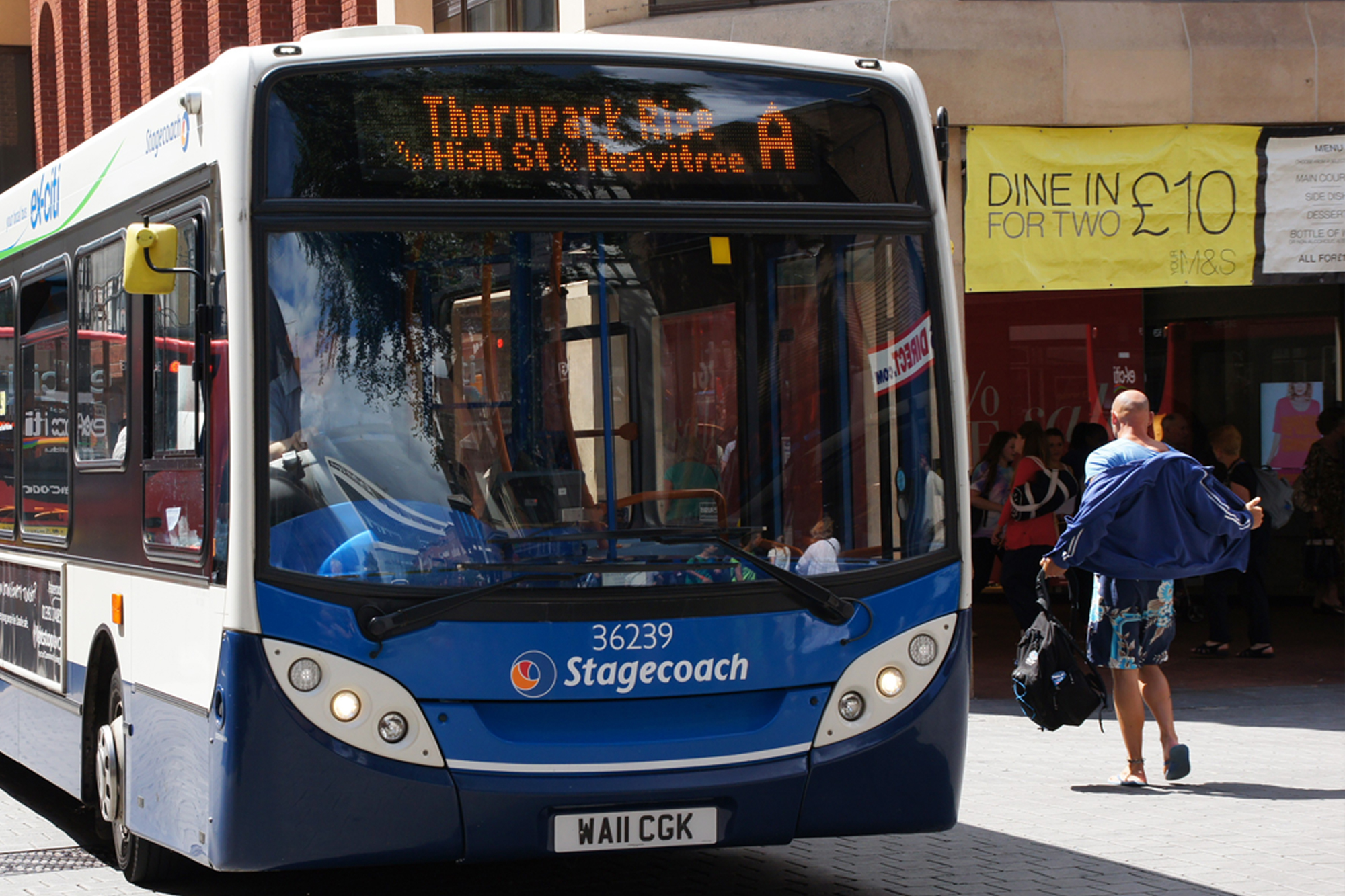
Three ways to Smarter travel
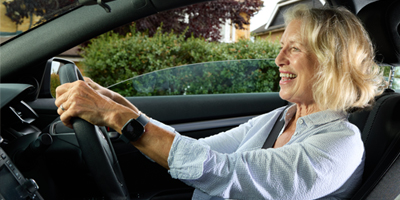


Good drivers never stop learning
Advanced driver training is available throughout Devon & Cornwall.
Highly experienced instructors will refresh your skills and help extend your time on the road.
Here are some of the courses we recommend, please use the links to find out more:

Mature Driver Review
OVERVIEW:
The Mature Driver Review is a relaxed session with an IAM RoadSmart expert. They’ll help boost your confidence behind the wheel and suggest further training if needed.
WHAT’S INCLUDED:
• A 1-hour drive with an IAM RoadSmart expert
• Hints and tips on how to improve your driving
• Feedback and assessment grade
• A digital certificate
PRICE: £86.50

RoADAR Driving Review
OVERVIEW:
The RoADAR Driving Review is a simple and low-cost way for people who have been driving for some time to find out whether their driving skills are up to scratch.
WHAT’S INCLUDED:
The review will last 45 to 60 minutes with the reviewer giving feedback throughout the review and you will also receive a written report usually within two weeks.
PRICE: £58.33

Drive Safer For Longer
OVERVIEW:
Free presentations to local groups or associations which focus on older driver skills. This course is funded by Vision Zero South West.
WHAT’S INCLUDED:
• A free enhancement drive for one group member with a specialist driving instructor. Feedback is given as part of the presentation.
• Useful hints and tips about safer driving techniques
• Information about the impact of health conditions or medications on driving
• Individual enhancement drives available following the presentation (additional charges apply)
PRICE: FREE
Medical Conditions, Disabilities and Driving
If Your health has changed, your driving licence might need an update too.
If you have a driving licence, you MUST tell the DVLA if:
You develop a ‘notifiable’ medical condition or disability
OR
An existing condition or disability has changed or got worse.

Notifiable conditions are anything that could affect your ability to drive safely. They can include:
- Diabetes or taking insulin
- Syncope (fainting)
- Heart conditions (including atrial fibrillation and pacemakers)
- Sleep apnoea
- Epilepsy
- Strokes
- Glaucoma
It’s important to notify the DVLA about any new conditions, changes in your health, or any new medication.
ALTERNATIVE TRANSPORT OPTIONS
Did you realise, that using public transport can be cheaper and easier than owning and running your own vehicle? Public transport can be a great alternative to driving if you have a medical condition, disability or general concerns about driving. It can help you maintain your freedom while also saving money on the ever-increasing costs of owning and running a vehicle.
PUBLIC TRANSPORT OPTIONS